Apps that do one job, every time.
SBT Studios builds custom iPhone and Android apps for small businesses in Midland, Odessa, and the Permian Basin. We've shipped our own, so we know the whole road: the design, the code, the server behind it, the privacy paperwork, and app store review.
Do you need an app at all?
Most businesses that ask for an app need a better website. A website works on every phone with nothing to download, and it costs less to build and keep up.
An app earns its keep when people open it over and over, when it has to work out on a lease road with one bar of signal, or when it needs something a web page can't do well: notifications, the camera, or something running on a schedule.
We'll tell you which one you are, even when the answer is the cheaper one.
Small apps with a clear job.
- Crew and field tools. Tickets, checklists, photos, and sign-offs from the job site straight to the office.
- Customer apps. Booking, check-in, order status, or a loyalty card people actually keep.
- Safety check-ins. That's our own lane. See PingThree below.
- Private web apps. A login page for your customers or crew that runs in the browser, no app store involved. Our own client pages run on one.
What goes into an app.
The whole job, in plain English. If a shop can't walk you through every one of these, keep shopping.
Two phones, two rulebooks
iPhone and Android each have their own store, their own review, and their own rules for how screens behave. We build both from one set of code where it fits, then test each one on its own.
Paperwork before code
Apple and Google want the developer accounts in your business's name, and both ask for a D-U-N-S number first. It's a free business ID from Dun & Bradstreet that can take a week or two, so we start it on day one.
The server behind it
Anything that has to happen while the phone is in a pocket, off, or broken runs on a server: reminders, alerts, logins, shared data. It's where most of the real work is, and the part nobody sees.
Logins, and a way out
If people can make an account, Apple and Google require a way to delete it from inside the app, data and all. We build that in from the start, along with the privacy policy that says what you keep and why.
Texts, emails, and alerts
Phone notifications go through Apple's and Google's own systems. Texts from a business number have to be registered with the phone carriers first, or they get blocked as spam. Email needs its own setup so it doesn't land in junk.
Store review
Apple and Google both review every version, not just the first one. Apple wants screenshots, a test login, and straight answers about what data the app collects. Google has its own data-safety form that has to match. We know what gets apps rejected, and we fix it before they see it.
Testing on real phones
Old phones, small screens, one bar of signal. And for a brand-new personal developer account, Google requires two weeks of testing with a dozen real people before it will publish. A business account skips that line.
Selling inside the app
Apple and Google take a cut of anything digital sold in an app, like subscriptions or unlocks. Physical goods and services go through a normal card processor. Which one you are changes the math, so we sort it out before the build.
It's never really done
Every year Apple and Google ship new phone software and raise their minimums. Google stops showing out-of-date apps to new users, and Apple stops taking updates built with old tools. Keeping up is what the care plan is for.
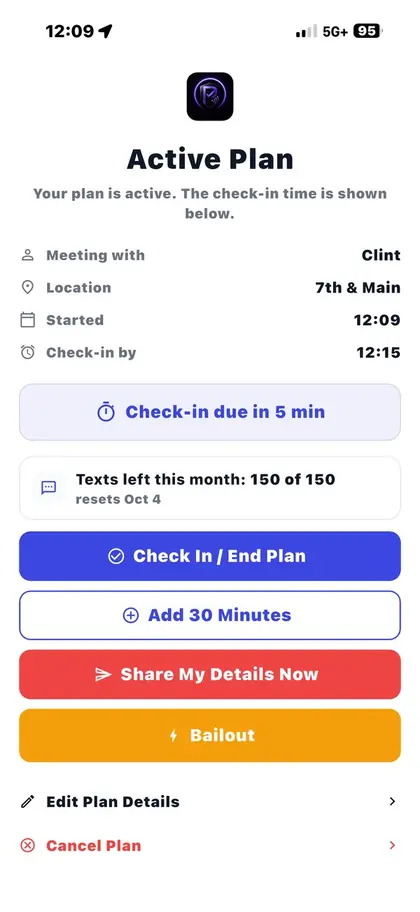
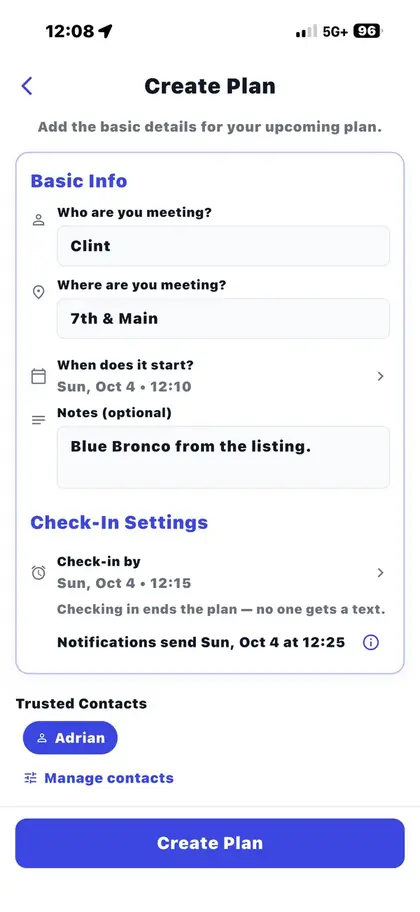
PingThree, our own app.
Set a check-in time before you head out. Miss it, and up to three people you picked get a text and an email with the details you chose to share.
The countdown runs on our server, not on the phone, so it still goes off if the phone is dead, smashed, or at the bottom of a lake. That's the hard part of the job, and it's the part most people never see.
Same five steps as a website.
Audit and questionnaire, then a mockup you can tap through on your own phone before you pay for anything, then a proposal with the hours shown line by line. Then the build, then care. The process, step by step.
The one thing that can push the date is app store review. Apple and Google each look the app over before it goes up. We file the same day we kick off and tell you up front how long it usually runs.
You own the app.
- The code, the store listing, and the developer accounts are yours, in your business's name.
- Apple charges a yearly developer fee and Google a one-time fee. If your app needs a server behind it, that has a monthly bill too. All of it goes on your invoice at exactly what it costs, each as its own line, in your name.
- The monthly care plan covers our work: updates for new phone software, fixes, and small changes.
- Quoted on hours like everything else. How we price.
Got an app idea?
Bring it to a 20-minute call. We listen, take notes, and come back with what it would take: an app, a website, or both.